Skip to content
Practice software for fine art appraisers

Photograph the work.
Get a report you can sign.

The comparables come from licensed auction records, ranked against the piece in front of you. The conclusion shows its work — which sales, what they made, how the range follows from them. You edit all of it before anyone else sees a line.

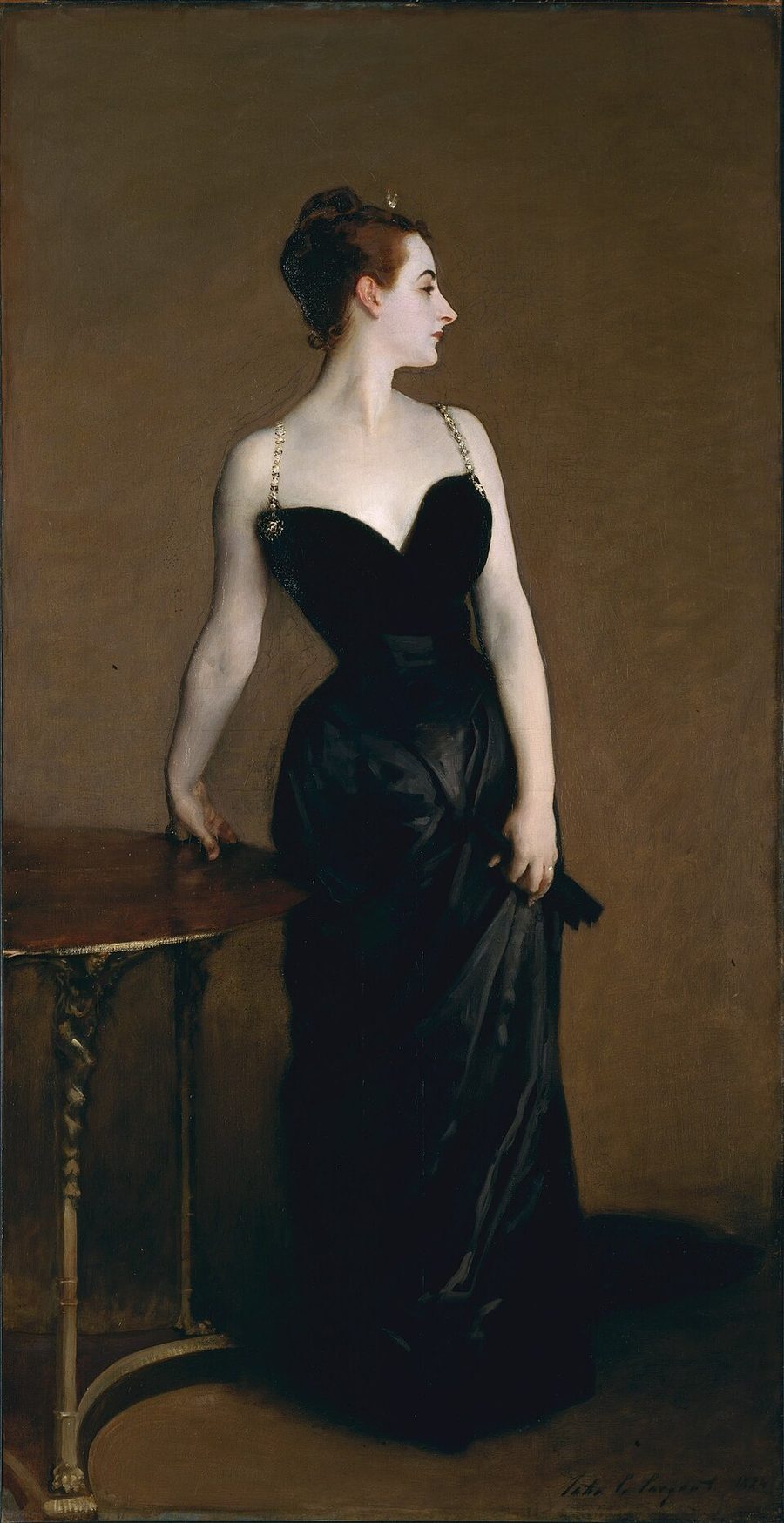
Detail of John Singer Sargent's portrait Madame X, 1883–84

John Singer Sargent Madame X (Madame Pierre Gautreau), 1883–84
Oil on canvas, 208.6 × 109.9 cm
Detail. Public domain.

The premise
Someone will ask where the number came from.

Every conclusion keeps the sales it was drawn from, named and dated. A year on, when the adjuster or the examiner does ask, you can put your hand on the evidence without rebuilding the file from memory.

The method

Four steps, in the usual order.

01

Catalogue

Generate a draft of each artwork by uploading a photograph of the work where it hangs. Each record includes the medium, the signature and where it sits, edition numbering off the margin, and condition. Measurements stay yours to take as a photograph has no scale.

02

Comparables

Auction records ranked against the subject by medium, size and recency. Every price says whether it is hammer or premium-inclusive; at the majors that gap runs to a quarter of the figure. Foreign sales convert at the reference rate as of the sale date, not today’s.

03

Conclusion

Value conclusion narratives are tailored based on the intent of the appraisal: retail replacement for insurance, fair market for donation, retrospective fair market as of the date of death, marketable cash value net of the costs of sale, and liquidation under compulsion. Each conclusion is grounded in the comparable sales cited and the market trajectory they show.

04

Report

Cover, definition of value with its citation, letter of transmittal, summary schedule, and a dossier per work with the comparables reproduced beside it. Your name, designations and certification over a signature block. Print it, or save it as a PDF and send it.

Specimen

One work, as it prints.

A single entry from an insurance engagement. The comparables are real lots; the concluded range is illustrative.

Specimen
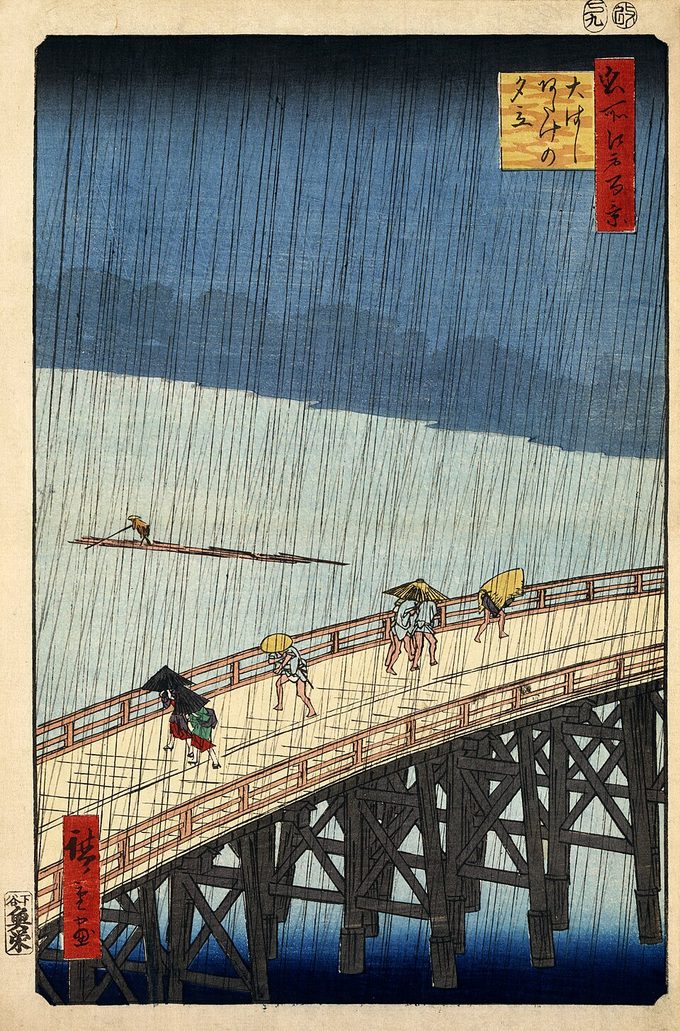
Utagawa Hiroshige, Sudden Shower over Shin-Ōhashi Bridge and Atake

Plate 014 Photographed by the appraiser, recto.

Cat. No. 014

Sudden Shower over Shin-Ōhashi Bridge and Atake

Utagawa Hiroshige (1797–1858)
Series
One Hundred Famous Views of Edo (Meisho Edo hyakkei)
Medium
Colour woodblock print (nishiki-e), vertical ōban
Published
9th month, 1857 · Uoya Eikichi
Sheet
35.5 × 24.5 cm (14 × 9⅝ in)
Signature
Signed Hiroshige ga; censor’s seal aratame
Impression
Good impression; light toning, margins trimmed to the image
Purpose
Insurance · Retail Replacement Value
Comparable sales cited
Comparable sales cited for this catalogue entry, with plate, auction house, sale and price.
Key comparable Plate Lot House Sale Price
Comparable: the Mercury impression Another impression — provenance Freddie Mercury
Est. £30,000–50,000 · lot 13
Sotheby’s, London 2023‑09‑06 USD 289,041 hammer
£230,000 · £292,100 w/ premium
▲ Comparable: the Vever impression Fine impression, Vever collection (seal H.V.)
37.3 × 25.3 cm · lot 17
Sotheby’s, London Masters of the Woodblock est. USD 88,000–126,000 estimate
result not published
Comparable: the English family impression Impression, property of an English family
35.5 × 24.5 cm · lot 36
Sotheby’s, London Japanese Woodblock Prints est. USD 19,000–25,000 estimate
result not published

▲ marks the closest comparable. Market data: one published result, two published estimates. The Mercury impression is set aside as an anchor: it took a celebrity-provenance premium of roughly six times its high estimate, and says nothing about the ordinary market for this design. Sterling converted at the ECB reference rate as of the sale date (GBP/USD 1.2567 on 2023‑09‑06). The two estimated lots have no published result and are weighted accordingly.

Value conclusion · Retail Replacement Value

A good impression, light toning, margins trimmed to the image: below the Vever example, at or a little above the ordinary band of USD 19,000–25,000 hammer. Replacement is not a hammer figure, so that band is carried up twice — once for the buyer’s premium a purchaser actually pays, and again for the dealer margin at which a comparable impression can be had without waiting for one to come up. The Mercury result is set aside for the reason above.

USD34,000–46,000

The comparables are real lots, cited so you can check them: Sotheby’s London, Freddie Mercury: A World of His Own — The Evening Sale, 6 September 2023, lot 13 (£230,000 hammer; £292,100 with premium, as reported by The Art Newspaper); Sotheby’s London, Masters of the Woodblock: Important Japanese Prints, lot 17 (Henri Vever collection); Sotheby’s London, Japanese Woodblock Prints, lot 36. The catalogue detail — series, publisher, seal, format, sheet size — comes from those catalogue entries. The concluded range is illustrative and is not an appraisal.

Standards of value

The purpose decides the standard. The standard decides the number.

Retail Replacement Insurance scheduling, carrying hammer up to what the piece would cost to replace at retail.
Fair Market Value Donation work under the IRS definition, with the qualified-appraisal notice printed on the report.
Retrospective FMV Estate work as of the date of death. Later sales corroborate rather than establish, and the report labels them.
Marketable Cash Equitable distribution, with the costs of sale taken off and the arithmetic on the page.
Liquidation A compelled sale inside a fixed window, with the discount argued from the evidence.
Cost approach For work with no comparable market: reasoned from a cost basis you record instead.
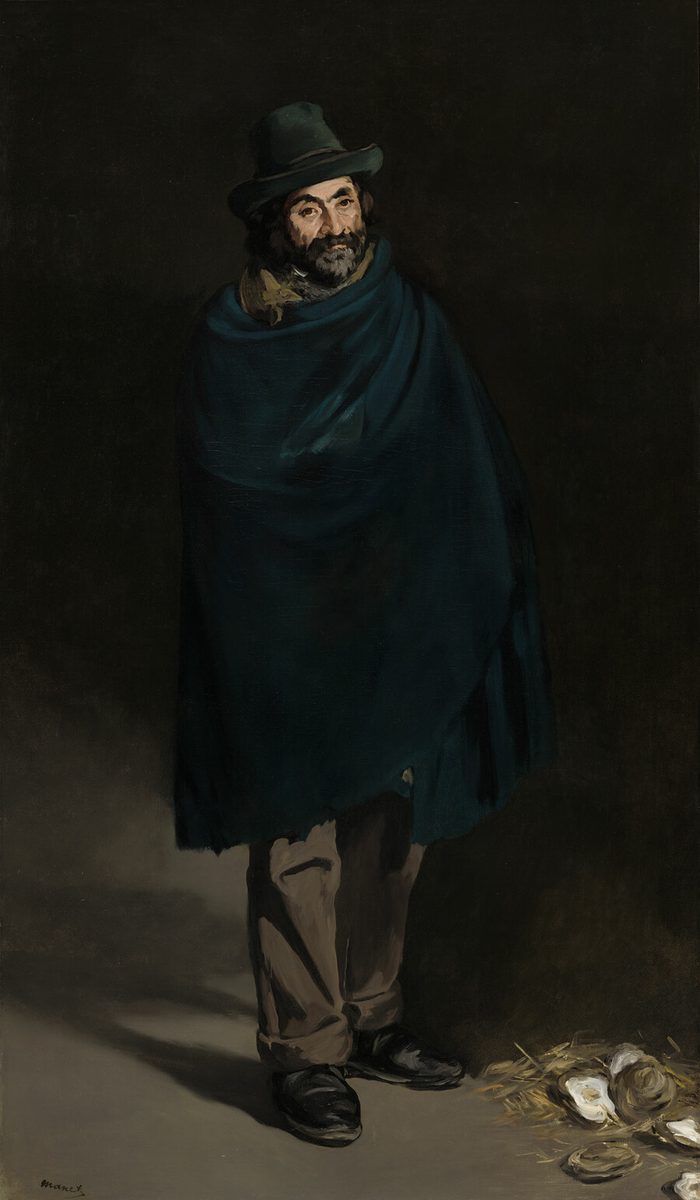
Édouard Manet, Beggar with Oysters (Philosopher)
Édouard ManetBeggar with Oysters (Philosopher), 1865–67
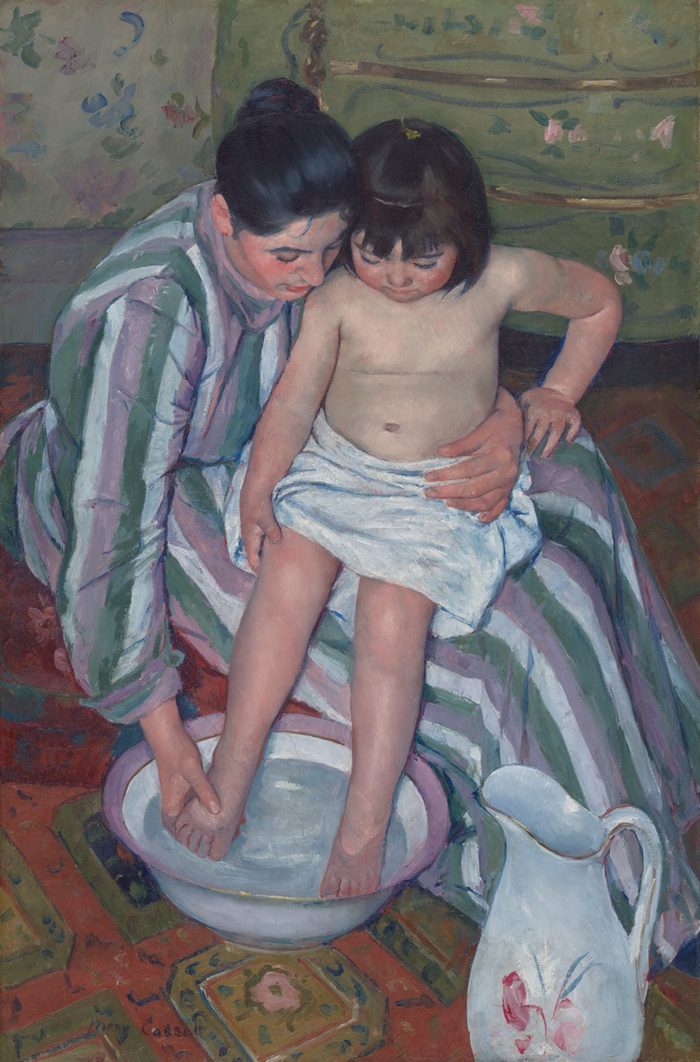
Mary Cassatt, The Child's Bath
Mary CassattThe Child’s Bath, 1893
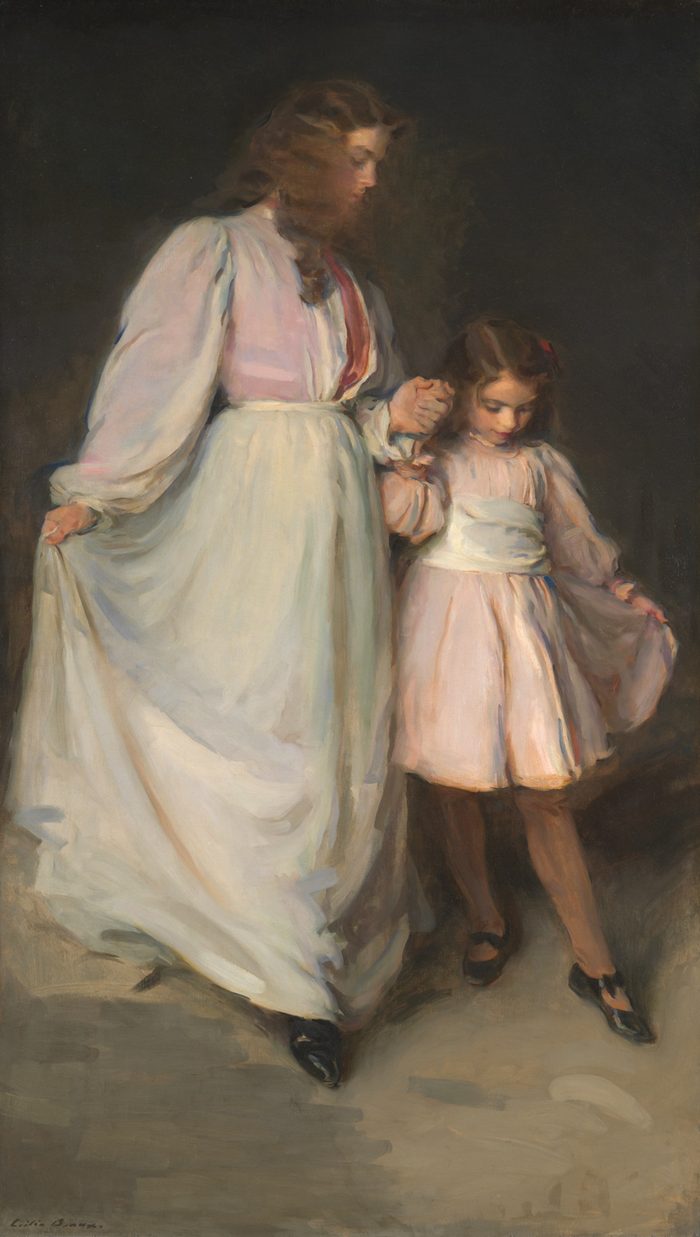
Cecilia Beaux, Dorothea and Francesca
Cecilia BeauxDorothea and Francesca, 1898
Begin

Bring the next engagement in.

Your workspace is private. Your catalogue comes out whole whenever you ask for it. Romanotto assembles; you certify.